

Neurofeedback & NEUROVIA

Explaining NEUROVIA’s brain training approach: how neurofeedback works in simple terms, what a session looks like, and how it can support mental wellbeing as part of a broader lifestyle

Attention, ADHD & Focus, Brain hygiene & lifestyle, Burn-out & overload, Neurofeedback & NEUROVIA

Adhd like symptoms vs overload: myths, realities and what your brain really does

Adhd like symptoms vs overload: myths, realities and what your brain really does You’re in a key meeting, trying to focus on the presentation, but your mind is a whirlwind. You’re simultaneously thinking about the email you forgot to send, what to make for dinner, and a conversation you had yesterday. Later, you find yourself searching for your keys for the third time this morning. You feel scattered, forgetful, and perpetually behind. A thought surfaces, perhaps fuelled by social media trends or a friend’s recent diagnosis: “Could this be ADHD?” It’s a question many of us in this fast-paced world are asking. The challenge of distinguishing between genuine neurodevelopmental traits and the cognitive strain of modern life is becoming increasingly common. This article is here to explore the complex topic of adhd like symptoms vs overload, offering not diagnoses, but clarity, compassion, and a science-informed perspective to help you understand your own experience. Understanding the Overload Epidemic Imagine your brain as a high-performance computer. In our modern world, we have more tabs open than ever before. Notifications ping, deadlines loom, and the pressure to be constantly productive creates a state of chronic cognitive demand. This isn’t just a feeling; it’s a physiological reality. When we are perpetually stressed and overstimulated, our bodies are flooded with hormones like cortisol and adrenaline. This “fight-or-flight” state, while useful for short-term threats, is draining when it becomes our default mode. It directly impacts the prefrontal cortex—the brain’s executive suite responsible for planning, decision-making, and focus. When this area is compromised by stress, the results can look strikingly familiar: Difficulty concentrating: Your focus flits from one task to another without truly landing. Forgetfulness: You miss appointments or forget small but important details. Emotional dysregulation: You feel irritable, overwhelmed, or quick to anger over minor issues. Procrastination: The sheer volume of tasks feels so daunting that starting any of them seems impossible. For many professionals in dynamic cities like Dubai, this experience is the daily norm. The constant juggling of demanding careers, social obligations, and personal goals creates the perfect storm for cognitive overload, making it difficult to discern the root cause of these struggles. What Are ADHD-Like Symptoms? A Closer Look Attention-Deficit/Hyperactivity Disorder (ADHD) is a neurodevelopmental condition, meaning it originates in brain development and is typically present from childhood. It is characterized by a persistent pattern of inattention and/or hyperactivity-impulsivity that interferes with functioning or development. While the experience is unique to each individual, it often involves a different way of processing information and regulating attention. The core difference in the adhd like symptoms vs overload symptoms debate often comes down to two key factors: chronicity and context. ADHD symptoms are generally lifelong and appear across various settings—at school, at home, and in social situations. Overload, on the other hand, is often situational. Its symptoms might flare up during a stressful work period but significantly subside during a relaxing holiday. Think back. Did teachers ever comment on your daydreaming or fidgeting as a child? Have you always struggled with organisation, long before your calendar became so crowded? While these are not diagnostic questions, reflecting on the history and context of your symptoms can provide valuable insight. ADHD-Like Symptoms vs Overload: The Brain’s Perspective At a neurological level, the similarities and differences become clearer. Understanding the adhd like symptoms vs overload brain connection can help demystify the experience. Chronic stress and overload put the brain in a state of high alert. This constant stress signaling can disrupt the delicate balance of neurotransmitters, impacting the prefrontal cortex’s ability to function optimally. It’s like trying to run sophisticated software on a computer that is overheating and has its memory completely full. The system slows down, makes errors, and struggles to prioritise tasks. In a brain with ADHD, the underlying mechanisms are different, though the outward symptoms can appear similar. Research points to differences in the structure and function of brain networks, particularly those involving dopamine and norepinephrine. These neurotransmitters are crucial for regulating motivation, focus, and reward. When these systems function differently, it can lead to the classic challenges of sustaining attention on non-preferred tasks, regulating impulses, and managing executive functions. So, while overload might create a temporary “deficit” in attention because the brain’s resources are depleted, ADHD involves a more fundamental, persistent difference in how the brain’s attention systems are wired. Navigating the Grey Area: How to Find Clarity It’s easy to get lost in this grey area, feeling frustrated and unsure of the next step. The most important thing is to approach this journey with curiosity rather than judgement. Self-diagnosis via online articles can be a tempting but ultimately unhelpful path. True clarity comes from professional assessment. However, regardless of the underlying cause, there are powerful ways to support your brain and enhance your mental wellbeing. The goal is to reduce cognitive load and build resilience so you can function with greater ease and focus. This is where a proactive approach to mental wellbeing becomes essential. By training your brain to better regulate its own states of arousal and attention, you can improve your ability to cope with daily demands, whether they stem from external pressures or internal wiring. To explore how NEUROVIA can support your mental wellbeing journey with non-invasive brain training techniques designed to enhance focus and calm, you can visit our services page. Cultivating Mental Space: Managing ADHD-Like Symptoms vs Overload The beautiful truth is that many strategies for managing adhd like symptoms vs overload are beneficial for everyone. Creating a lifestyle that supports your brain is a powerful act of self-care. Imagine creating an internal environment of calm and focus, like the serene, clean-lined interior of our Dubai studio, but within your own mind. Digital Detox and Mindful Tech Use Our devices are a primary source of overload. Schedule specific times to check emails and turn off non-essential notifications. Creating technology-free zones or times—like the first hour of the morning or during meals—can give your prefrontal cortex a much-needed break.

Neurofeedback & NEUROVIA, Performance & Balance, Sleep & Recovery

How to function after bad night sleep: simple daily practices you can actually keep

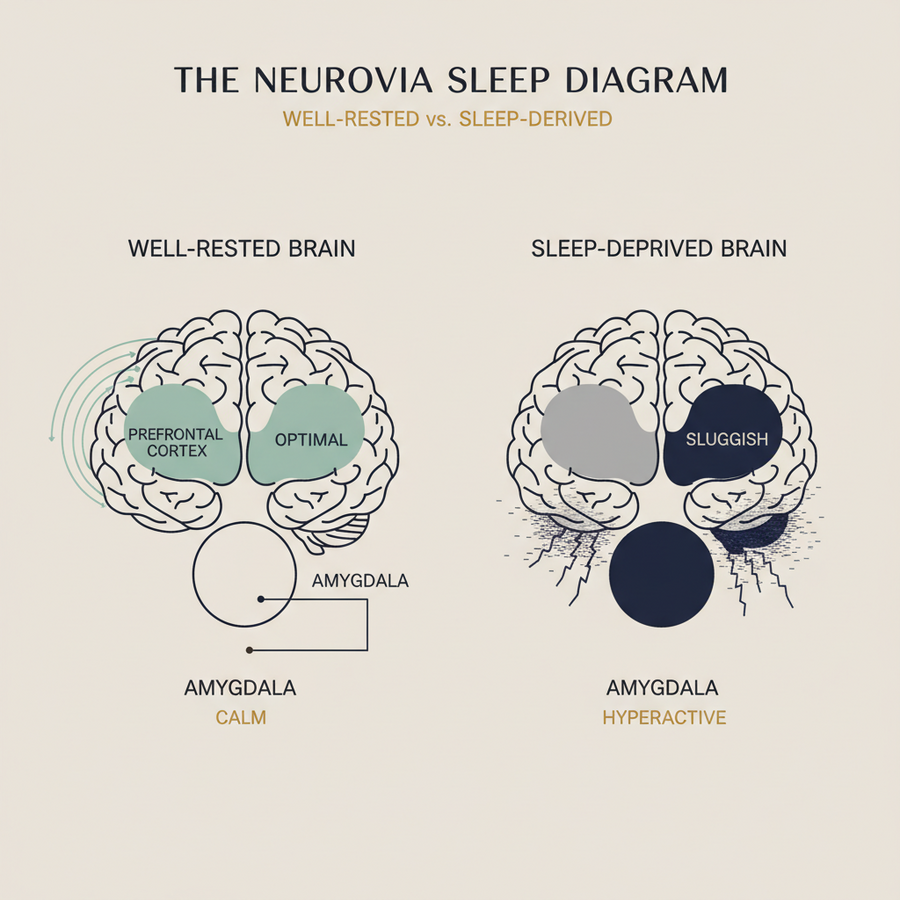
How to function after bad night sleep: simple daily practices you can actually keep The gentle pre-dawn light begins to filter through your window, casting soft, sandy hues across the room. But instead of feeling rested, you feel a familiar sense of dread. Your mind is foggy, your body feels heavy, and you have a demanding day ahead—a crucial meeting, a tight deadline, a family commitment. In a city like Dubai, where performance and energy are paramount, a night of restless, interrupted sleep can feel like starting a race from far behind the line. The question of how to function after bad night sleep isn’t about finding a magic button to erase fatigue. It’s about working with your body and brain, not against them. It’s about embracing gentle, strategic practices that support your system when it’s under-resourced, allowing you to move through your day with more grace and less strain. This isn’t about overhauling your life; it’s about making small, intelligent adjustments that truly make a difference. The Morning After: Understanding Your Brain on Low Sleep To navigate the day effectively, it helps to understand what’s happening inside your head. Think of your brain as a highly sophisticated command centre. After a poor night’s sleep, certain key areas are operating on a low-power mode. Specifically, the prefrontal cortex—your hub for decision-making, focus, and emotional regulation—becomes sluggish. Simultaneously, the amygdala, your brain’s emotional alarm system, becomes hyperactive. This is the science behind how to function after bad night sleep brain challenges manifest. This combination makes you more likely to be irritable, less able to concentrate, and more prone to making impulsive choices. You aren’t failing; your brain is simply conserving energy and running on its most basic, primal settings. Recognising this is the first step toward self-compassion, which is essential for getting through the day. Common Symptoms: What You Might Be Experiencing The signs of sleep deprivation go beyond simple tiredness. Understanding these how to function after bad night sleep symptoms can help you identify what needs support. You might notice: Brain Fog: A feeling of mental cloudiness, making it difficult to think clearly or access memories. Simple tasks might feel unusually complex. Heightened Emotional Reactivity: Small frustrations can feel monumental. You might feel more sensitive, anxious, or quick to anger. Difficulty Focusing: Your attention span shortens dramatically. The constant ping of notifications on your phone feels overwhelming, and multi-tasking becomes nearly impossible. Reduced Problem-Solving Skills: Creative thinking and strategic planning feel out of reach. You’re more likely to stick to familiar, easy paths rather than innovate. Cravings for Sugar and Carbohydrates: Your body, desperate for a quick energy source, will send powerful signals for high-calorie, low-nutrient foods. These are not personal failings but biological responses. The key is to manage them with intention rather than frustration. A Gentle Framework for Managing How to Function After Bad Night Sleep Instead of forcing yourself to perform at 100%, aim for a sustainable 70%. This framework is about strategic preservation of your mental and physical energy throughout the day. The First Hour: Light, Hydration, and Stillness How you begin your day sets the tone. Before reaching for your phone or a strong coffee, give your brain what it truly needs. Seek Light: As soon as you can, expose your eyes to natural daylight. Stand by a window or on your balcony for ten minutes. This light helps to suppress melatonin (the sleep hormone) and reset your body’s internal clock, signalling that the day has begun. Hydrate First: You wake up dehydrated, and dehydration magnifies fatigue. Drink a large glass of water, perhaps with a squeeze of lemon, before any caffeine. This replenishes your system and aids cognitive function. Postpone Caffeine: Wait at least 90 minutes after waking to have your first coffee. This allows your body’s natural cortisol rhythm to peak and recede, making the caffeine more effective later and preventing an early afternoon crash. These small acts provide a foundation of calm, helping you start from a place of balance rather than deficit. Navigating Your Workday: Prioritise and Protect Your workday will require a strategic approach. Forget your usual to-do list; today is about triage. Identify Your “One Big Thing”: What is the single most important task you must accomplish today? Dedicate your most productive energy window (likely mid-morning) to this task. Let everything else be secondary. Single-Task, Don’t Multi-Task: Your sleep-deprived brain cannot effectively switch between tasks. Close unnecessary tabs, silence notifications, and focus on one thing at a time. The Pomodoro Technique—25 minutes of focused work followed by a 5-minute break—can be incredibly effective here. Be Realistic and Communicate: If possible, reschedule non-essential meetings. Let colleagues know you’re working on focused tasks and might be slower to respond. Setting expectations protects your energy. Building this kind of cognitive resilience—the ability to focus and self-regulate even under stress—is not something that happens overnight. It’s a skill that can be strengthened over time through consistent practice and targeted support. At NEUROVIA, we use advanced brain-training technologies to help you develop greater control over your attention and emotional state, making days like these more manageable in the long run. To explore how NEUROVIA can support your mental wellbeing, you can visit our services page. The Afternoon Slump: Nourish and Move The afternoon is often the hardest part of the day. Your energy reserves are low, and the temptation to reach for sugary snacks is high. A few simple choices can help you navigate this period. Eat a Brain-Friendly Lunch: Avoid heavy carbohydrates and sugary foods, which will lead to a deeper energy crash. Opt for a meal rich in protein, healthy fats, and vegetables—like a grilled chicken salad, salmon with quinoa, or a hearty lentil soup. This provides sustained energy. Take a Mindful Break: Instead of scrolling through social media, step away from your desk. A 10-15 minute walk, even just around your office building, can boost circulation and mental clarity. If you can’t go outside, find a quiet space to do

Brain hygiene & lifestyle, Burn-out & overload, Neurofeedback & NEUROVIA, Stress & Anxiety

Emotional numbness vs calm: myths, realities and what your brain really does

Emotional numbness vs calm: myths, realities and what your brain really does The final email is sent. The city lights of Dubai shimmer through your office window, a vast expanse of gold against a deep navy sky. You lean back in your chair, the day’s relentless pace finally ceasing. But in the quiet that follows, you don’t feel the gentle release of peace. Instead, there’s a strange emptiness. A muted, distant quality to the world, as if you’re watching your own life from behind a pane of glass. Is this the calm you’ve been working so hard for, or is it something else entirely? For many high-performing professionals, this experience is unsettlingly familiar. We chase a state of inner quiet, a reprieve from the constant stimulation of modern life. Yet, what we sometimes find is not a rich, restorative calm, but a hollow echo. This is the critical distinction we need to explore: the difference between emotional numbness vs calm. Understanding this difference is not just an intellectual exercise; it’s a vital step towards genuine mental wellbeing. Understanding the Difference: What are Emotional Numbness vs Calm? On the surface, both states might seem similar—they are both quiet. But the quality of that quiet is profoundly different. One is a space of connection and presence; the other is a void of disconnection. Let’s illuminate the contrast. What True Calm Feels Like Imagine a quiet, elegant lounge, bathed in soft, warm light. The air is still, but it’s alive with potential. This is true calm. It is not the absence of emotion, but a state of integrated presence where you can experience your feelings without being overwhelmed by them. True calm feels like: Groundedness: A sense of being firmly in your body, connected to the present moment. You can feel your feet on the floor, the gentle rhythm of your breath. Clarity: Your mind is clear and spacious. Thoughts may come and go, but they don’t create a storm. You can think rationally and creatively. Openness: You are open to experiencing a full range of emotions—joy, contentment, even sadness or frustration—with a sense of gentle acceptance. Connection: You feel connected to yourself, to others, and to the world around you. There’s a quiet sense of belonging. What Emotional Numbness Feels Like Now, picture a room where the sound has been muffled, the colours desaturated to a hazy grey. This is emotional numbness. It is a protective mechanism, a shutdown response when the nervous system becomes overloaded. Emotional numbness vs calm symptoms often include: Detachment: A feeling of being disconnected from your own emotions, your body, and even your life story. You might observe yourself “going through the motions.” Emptiness: A persistent feeling of hollowness or a void inside. It’s a struggle to feel either positive or negative emotions strongly. Apathy: A lack of interest or motivation in activities you once enjoyed. Things just don’t seem to matter as much. Difficulty Connecting: It can be hard to feel empathy or engage emotionally with loved ones, leading to feelings of isolation. The Brain’s Perspective: What’s Happening Inside? The contrast between these two states is not just a poetic metaphor; it’s rooted in our neurobiology. Understanding the emotional numbness vs calm brain activity can bring immense clarity to our personal experiences. The Calm Brain: A State of Regulation When you are genuinely calm, your autonomic nervous system is dominated by the parasympathetic branch—the “rest and digest” system. Your heart rate slows, your breathing deepens, and your body can focus on restoration. Your prefrontal cortex, the brain’s sophisticated CEO, is fully online. It communicates effectively with your emotional centers (like the amygdala), allowing you to process feelings without being hijacked by them. This state of harmony and coherence is the foundation of mental resilience. The Numb Brain: A State of Shutdown Emotional numbness is often the end-point of a prolonged stress response. After being in a state of high alert (“fight or flight”) for too long, the nervous system can hit an emergency brake. This is a form of dissociation, a primitive survival strategy where the brain disconnects from overwhelming sensory and emotional input to protect itself. The connection between the prefrontal cortex and the emotional centers can become dampened. The brain essentially says, “This is too much to feel right now,” and turns down the volume on everything—the good and the bad. From the Boardroom to the Burj: Daily Life with Numbness vs Calm How do these internal states manifest in the day-to-day life of a busy professional in Dubai? The impact is profound. Navigating a Workday A professional operating from a place of calm is present and effective. They can listen actively in a meeting, handle an unexpected problem with flexibility, and feel a genuine sense of satisfaction from a job well done. In contrast, someone experiencing numbness is on autopilot. They might perform their tasks competently, but they feel detached from the process and the outcome. Praise doesn’t land, and criticism doesn’t sting. There’s just a flat line. Connecting with Loved Ones After a long day, a person in a state of calm can transition into their personal life with presence. They can listen to their partner’s day, share a genuine laugh, and feel the warmth of connection. For someone who is numb, evenings can be challenging. They may be physically present but emotionally absent, struggling to muster the energy to engage, which can lead to feelings of guilt and further isolation. Recognising these patterns in your own life is the first, most compassionate step you can take. It’s about understanding the signals your nervous system is sending you. To explore how NEUROVIA can support your journey toward better self-regulation and mental wellbeing, you can visit our services page. Pathways to Presence: Managing Emotional Numbness vs Calm If you recognise yourself in the description of emotional numbness, please know that you are not broken. Your system is doing what it’s designed to do to protect you. The path back to feeling is