
Weekend not enough to recover: myths, realities and what your brain really does

The scene is familiar to many professionals in Dubai and beyond. It’s Sunday evening. The soft, golden light of the setting sun streams through the window, but instead of a sense of calm and readiness for the week ahead, a subtle feeling of dread creeps in. The weekend, those precious two days meant for rest and recharge, has evaporated, leaving behind a residue of fatigue and the feeling that you’re starting the week already behind. If you’ve ever felt that the weekend is not enough to recover, you are not alone. This experience is more than just “Sunday blues”; it’s a critical signal from your brain and body that deserves gentle attention.
This feeling isn’t a personal failing or a sign of weakness. It’s a common response to the sustained demands of modern life. In this article, we will explore the myths and realities surrounding weekend recovery, understand what your brain is actually doing during periods of stress and rest, and offer a path toward relating to your own experience with more kindness and clarity.
Understanding the Overdrawn Account: The Science of Recovery
Imagine your mental and emotional energy as a bank account. Every day, you make withdrawals: demanding projects, long commutes, constant notifications, and social obligations. Rest, relaxation, and restorative activities are your deposits. For many, the work week involves such significant withdrawals that the weekend’s deposits are barely enough to bring the account back to zero, let alone build a surplus. When the weekend is not enough to recover, it means you’re starting Monday from a deficit.
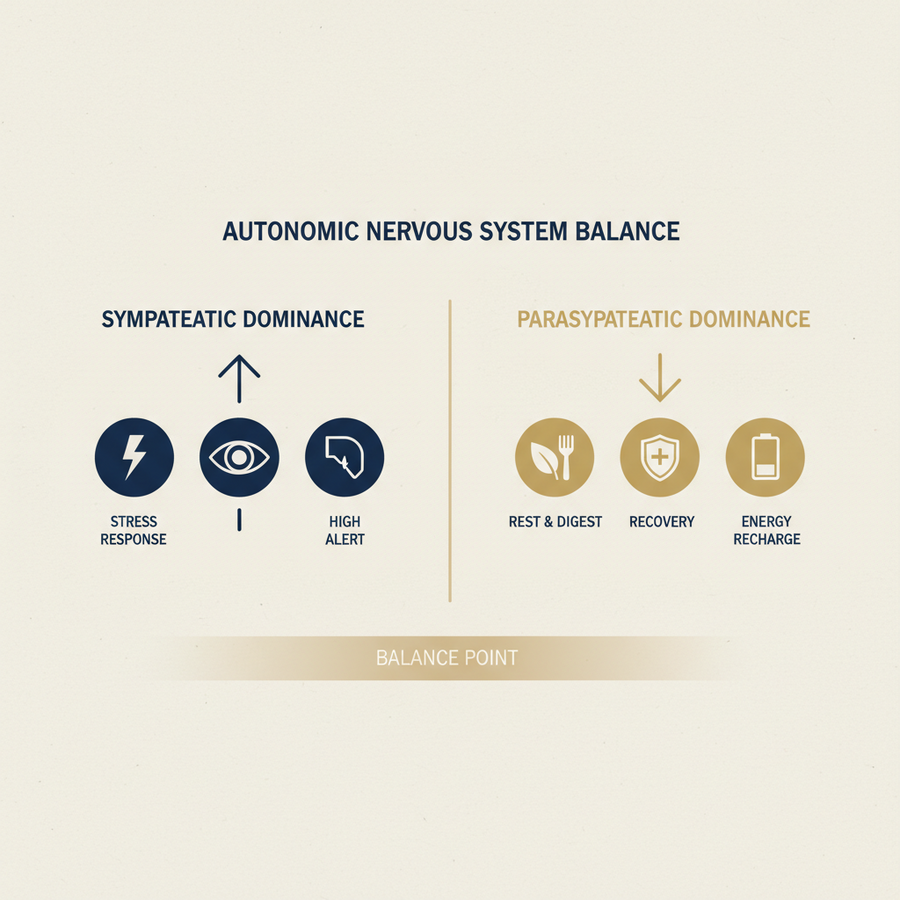
Scientifically, this relates to your autonomic nervous system. The “fight-or-flight” (sympathetic) system is your accelerator, keeping you alert and performing under pressure. The “rest-and-digest” (parasympathetic) system is your brake, responsible for recovery, repair, and calm. Chronic stress keeps the accelerator pressed down, even on weekends. True recovery happens when we intentionally engage the brakes, allowing our nervous system to rebalance. This is a crucial aspect to understand when considering the weekend not enough to recover brain dynamic; the brain needs to fully switch modes to repair and consolidate, which is difficult when it remains in a low-grade state of alert.
The Subtle Signals: Weekend Not Enough to Recover Symptoms
When your recovery is incomplete, your body and mind send signals. These often start subtly but can become more pronounced over time. Recognizing these symptoms is the first step toward addressing the underlying imbalance.
- Persistent Fatigue: You wake up on Monday morning feeling as tired, or even more so, than you did on Friday afternoon. The rest feels superficial, never reaching a truly deep level.
- Brain Fog and Difficulty Concentrating: Your thoughts feel cloudy, and focusing on tasks requires immense effort. You might find yourself re-reading emails or struggling to organize your thoughts for a meeting.
- Emotional Irritability: Small frustrations feel disproportionately large. You may feel short-tempered with colleagues, family, or even yourself.
- Apathy or Lack of Motivation: Activities you once enjoyed feel like a chore. There’s a sense of just going through the motions, both at work and at home.
- Increased Reliance on Stimulants: You find yourself needing more coffee to start the day or craving sugary snacks in the afternoon just to push through.
- Disturbed Sleep: You might struggle to fall asleep because your mind is racing, or you wake up frequently during the night, unable to achieve deep, restorative sleep.
These experiences are not just signs of being “busy.” They are indicators that your system is overloaded and the current recovery strategies are insufficient for the demands being placed upon it.
Managing When the Weekend Is Not Enough to Recover
The cultural narrative often tells us to “push through” or “hustle harder.” But when your system is depleted, more effort isn’t the answer. The solution lies in smarter, deeper, and more intentional recovery. It’s about shifting from passive rest (like scrolling on your phone or binge-watching a series, which can still be mentally taxing) to active restoration.
Here are some principles for cultivating more meaningful recovery:
- Complete the Stress Cycle: Stress activates physiological responses. To recover, you need to signal to your body that the “threat” is over. This can be achieved through physical activity (a walk, a workout), creative expression, deep breathing, or even a heartfelt laugh with a friend.
- Embrace True Downtime: This means carving out time for activities that require very little cognitive load. It could be sitting on your balcony watching the city lights, listening to calming music, or simply doing nothing without the pressure to be productive.
- Set Digital Boundaries: Constant connectivity keeps your brain in an “on” state. Designate tech-free periods during your weekend to allow your mind to truly disconnect and wander. This is one of the most effective ways of managing weekend not enough to recover.
- Connect with Nature: Even in a vibrant metropolis like Dubai, finding moments in nature—a walk on the beach, time in a park—has a powerful grounding effect on the nervous system.
To explore how NEUROVIA can support your mental wellbeing with a science-backed, personalised approach to brain training, you can visit our services page.
Your Brain’s Potential for Resilience at NEUROVIA
At NEUROVIA, we understand that true wellbeing is not about eliminating stress, but about building the resilience to navigate it effectively. Our approach is grounded in the principle of neuroplasticity—the brain’s remarkable ability to adapt, change, and rewire itself.
In our calm, premium studio in Dubai, we use advanced neurofeedback technology to help you train your brain to enter states of deep calm and focused attention more easily. Think of it as guided exercise for your brain. By observing your brainwave activity in real-time, you learn to regulate your own mental states. This process can help you shift more gracefully from the high-alert state of a busy workday to the restorative calm needed for genuine recovery. It’s about teaching your brain to use its brakes as effectively as its accelerator, creating a more sustainable rhythm for performance and life.
FAQ
Is it normal to feel like the weekend is not enough to recover?
Yes, it is increasingly common in our fast-paced, high-demand world. It’s a sign that your stress load is consistently outweighing your recovery capacity. While common, it’s not something you should accept as a permanent state. It’s a signal to re-evaluate your relationship with stress and rest.
How is this different from just being tired?
Normal tiredness is usually resolved after a good night’s sleep or a relaxing day. The feeling that the weekend isn’t enough to recover is more pervasive. It’s a cumulative state of depletion, often called burnout or overload, where rest no longer feels restorative and symptoms like brain fog and irritability persist.
Can I really train my brain to recover better?
Absolutely. The brain is highly adaptable. Through practices like mindfulness, meditation, and advanced techniques like neurofeedback offered at NEUROVIA, you can actively train your brain to become more efficient at shifting into a parasympathetic (rest-and-digest) state. This enhances your natural ability to recover from stress.
What is the first small step I can take today?
Start by scheduling 15 minutes of “unproductive” time. This means no phone, no TV, no chores. Simply sit quietly, go for a slow walk without a destination, or listen to a piece of music. The goal is to consciously step away from demand and allow your mind to just be. This small act can begin to reset your nervous system.
The journey back to feeling truly rested is not about finding a magic fix, but about building a collection of sustainable practices that honour your brain’s need for genuine recovery. It begins with acknowledging the signals and choosing to respond with care.
If you feel ready to experience a session and learn how to better support your brain’s natural resilience, you can book an appointment here.
Disclaimer: This article is for informational purposes only and does not constitute medical advice. The content is not intended to be a substitute for professional medical advice, diagnosis, or treatment. Always seek the advice of your physician or other qualified health provider with any questions you may have regarding a medical condition.