
How to talk about overload at work: simple daily practices you can actually keep

The Dubai skyline is a testament to ambition and progress, a landscape of clean lines reaching for the sky. Yet, inside the gleaming offices, our mental landscapes can feel the opposite: cluttered, over-scheduled, and heavy. The constant stream of emails, the back-to-back meetings, and the pressure to excel can create a state of chronic overload. You know the feeling—a subtle hum of anxiety that follows you home, making it difficult to truly switch off and be present.
The most challenging part isn’t just the feeling itself, but the silence that surrounds it. Voicing your struggle feels like a risk. Will you be seen as incapable? Not a team player? This hesitation is a common, deeply human response. The good news is that learning how to talk about overload at work isn’t about confrontation; it’s about clarity, collaboration, and self-preservation. This guide offers practical, brain-friendly steps to help you navigate this crucial conversation and reclaim your mental space.
Understanding Overload: More Than Just Being ‘Busy’
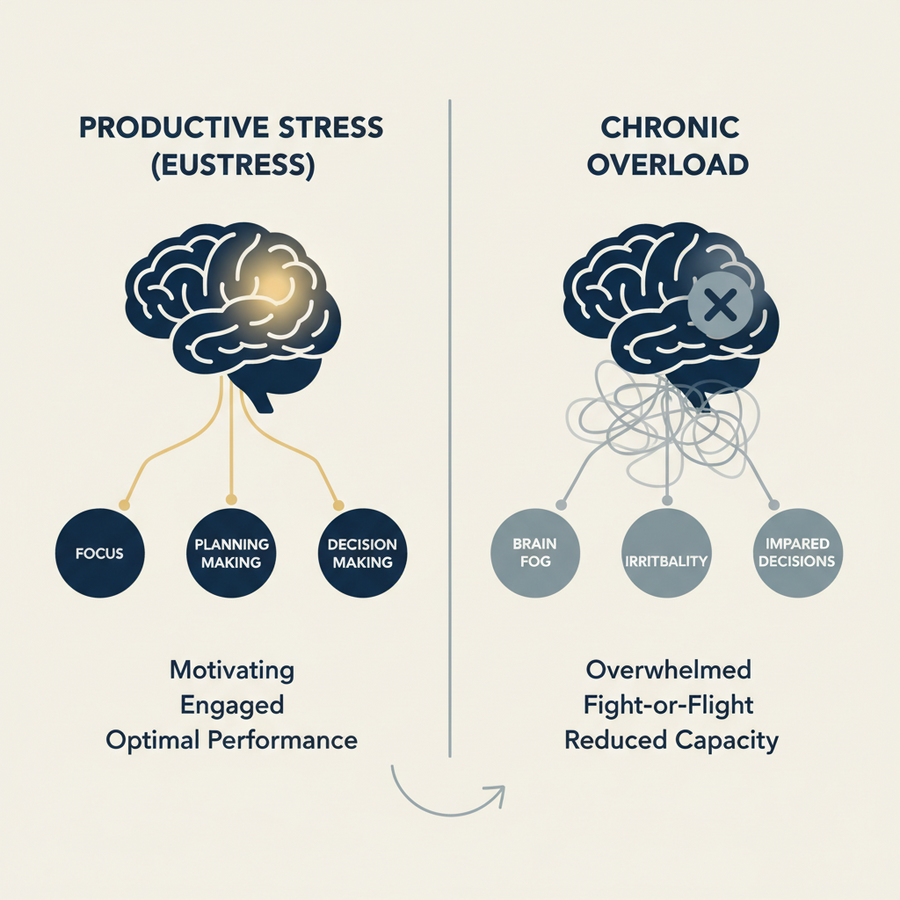
In a thriving city like Dubai, being busy is often worn as a badge of honour. But there’s a critical difference between a full, productive day and a state of cognitive overload. Productive stress, or ‘eustress’, can be motivating. Overload, however, is a sustained state where the demands placed on you consistently exceed your mental and emotional resources.
From a neurological perspective, this is where understanding the how to talk about overload at work brain connection becomes powerful. Chronic overload keeps your nervous system in a low-grade ‘fight-or-flight’ mode. Your brain is flooded with stress hormones like cortisol, which, over time, can impair the functions of your prefrontal cortex—the very part of your brain responsible for focus, planning, and rational decision-making. It’s not a personal failing; it’s a physiological response.
Recognising the signs is the first step. Common how to talk about overload at work symptoms include:
- Cognitive Symptoms: Persistent brain fog, finding it hard to concentrate on a single task, difficulty making decisions, or forgetting small details.
- Emotional Symptoms: Increased irritability, feeling unusually anxious or on-edge, a sense of detachment from your work, or a lack of motivation for things you once enjoyed.
- Physical Symptoms: Chronic fatigue even after a full night’s sleep, tension headaches, digestive issues, or disrupted sleep patterns.
The Inner Obstacles: Why We Hesitate to Speak Up
Knowing you’re overloaded is one thing; speaking up is another. The mental barriers are often the highest hurdles. You might worry about damaging your reputation, letting the team down, or being perceived as less ambitious than your peers. This internal narrative is powerful, but it’s essential to reframe it.
Approaching your manager about your workload isn’t an admission of failure. It is an act of professional responsibility—an effort to ensure you can continue to deliver high-quality work sustainably. It’s about optimising your performance, not excusing it. Seeing this conversation as a strategic alignment, rather than a personal complaint, can fundamentally shift your mindset and build your confidence.
Many of us carry a subconscious belief that we must handle everything thrown our way without question. This can be especially true in high-performance environments. Recognizing this thought pattern is the first step toward changing it. You are advocating for the quality of your output and your long-term wellbeing, which are assets to any organisation.
Preparing the Ground: Your Pre-Conversation Checklist
A successful conversation starts long before you walk into the meeting room. Thoughtful preparation transforms a vague feeling of “I’m overwhelmed” into a constructive, solutions-focused discussion. This clarity is not only reassuring for you but also makes it easier for your manager to help.
1. Get Clear on Your ‘Why’ and ‘What’
Before you can explain the situation to someone else, you need to understand it yourself. Take 30 minutes in a quiet space to reflect. Is the issue the sheer volume of tasks? Conflicting deadlines? A lack of resources or information? Or perhaps work that falls outside your core responsibilities? Pinpoint the primary sources of pressure.
2. Gather Specific, Objective Examples
Move away from generalisations. Instead of saying, “I have too much work,” provide concrete examples. For instance: “Last month, I was simultaneously managing the final stages of Project X and the launch of Campaign Y. This meant I had to work several late nights, and I’m concerned the quality of the final report for Project X wasn’t as high as I would have liked.”
3. Propose Solutions, Not Just Problems
This is the most critical step. Show that you are an engaged, proactive problem-solver. Your manager is your partner in finding a solution, so come prepared with thoughtful suggestions. These could include:
- Reprioritisation: “Could we review my current project list to align on the top three priorities for this quarter?”
- Delegation: “Is there an opportunity for a junior team member to take on the initial data collection for this report?”
- Process Improvement: “I think a weekly 15-minute check-in could help us catch potential bottlenecks earlier.”
- Resource Request: “Would it be possible to get access to [specific software] to automate this part of the process?”
Gaining this level of clarity can feel challenging when your mind is already cluttered. NEUROVIA’s approach to brain training helps enhance cognitive functions like focus and executive planning, making it easier to see the path forward. To explore how NEUROVIA can support your mental wellbeing, you can visit our services page.
The Conversation: Brain-Friendly Scripts for How to Talk About Overload at Work
With your preparation done, you can approach the conversation with calm confidence. The goal is to be collaborative and non-confrontational. Think of it as a strategy meeting for your own role.
Opening the Conversation
Choose a time when your manager is not rushed. Frame your request positively.
“Hi [Manager’s Name], do you have 20 minutes to connect this week? I’d like to proactively discuss my workload and priorities to ensure I’m focusing my energy in the most effective way for the team.”
Framing the Issue
Start by reaffirming your commitment. Use “I” statements to focus on your experience and link it directly to work outcomes.
“I’m really committed to the success of our current projects. Lately, I’ve noticed that balancing [Task A] with [Task B] is stretching my capacity, and I’m concerned it could impact the deadline for [important outcome]. My goal is to maintain a high standard of quality, and I’d love to partner with you to figure out how.”
Presenting Your Solutions
Share the ideas you prepared earlier. Present them as options for discussion, not demands.
“I’ve been thinking about a few ways we could approach this. One thought was that if we could shift the internal review for Project Z to next week, it would free me up to give the client proposal my full attention. What are your thoughts on that?”
Beyond the Talk: Managing Your Mental Workload Day-to-Day
The conversation with your manager is a vital step, but building sustainable habits for managing how to talk about overload at work is an ongoing practice. These small, daily adjustments can create a profound sense of control and calm.
The Power of ‘Single-Tasking’
Multitasking is a myth. What our brains actually do is switch rapidly between tasks, which is cognitively exhausting. Dedicate focused blocks of time to a single priority. Close unnecessary tabs, silence notifications, and give your mind the gift of a singular focus. The result is deeper work, done more efficiently.
Structuring Your Focus
Use simple techniques to bring structure to your day. Time-blocking—assigning a specific task to each block of time in your calendar—creates clear boundaries. The Pomodoro Technique (25 minutes of focused work followed by a 5-minute break) can also help maintain energy and prevent mental fatigue.
Mindful Transitions
The space between tasks is as important as the tasks themselves. After a demanding meeting, take just 60 seconds before diving into your emails. Look out the window at the city, take three slow, deep breaths, or simply stand up and stretch. This small reset helps clear your mental cache and prevents stress from accumulating throughout the day.

NEUROVIA: Your Partner in Building Mental Resilience
Navigating the pressures of modern work requires more than just good time management; it requires a resilient, well-regulated brain. At NEUROVIA, we see the brain not as a fixed entity, but as something that can be trained and optimised for better performance and wellbeing.
Our non-invasive brain training programs are designed to help you strengthen the neural pathways associated with focus, stress regulation, and cognitive clarity. By giving your brain targeted feedback, we help it learn to operate more efficiently. This isn’t about treating a condition; it’s about upgrading your mental hardware so you can manage challenges with greater ease and maintain your peak performance without sacrificing your peace of mind.
If you feel ready to experience a session and discover how to cultivate a calmer, more focused mind, you can book an appointment here.
FAQ
What if my manager reacts badly?
A negative reaction is possible, but preparation minimizes the risk. If they are dismissive, stay calm and professional. Reiterate that your goal is to ensure the quality of your work and to contribute effectively. Suggest scheduling a follow-up discussion. A consistently unsupportive response may also be valuable data about the company culture.
I’m a manager. How should I respond if a team member talks to me about overload?
Listen actively and thank them for their courage and trust. Acknowledge their concerns without judgment. Treat it as a collaborative problem-solving session. Ask questions to understand the specifics and work with them to review priorities and find practical solutions. Your supportive response will foster a culture of trust and psychological safety.
Is feeling overloaded a sign of burnout?
Chronic overload is a primary driver of burnout, but they are not the same. Overload is characterized by a feeling of being overwhelmed by “too much.” Burnout is a more severe state of emotional, physical, and mental exhaustion, often accompanied by cynicism and a sense of ineffectiveness. Addressing overload proactively is one of the most effective ways to prevent burnout.
Initiating a conversation about overload is an act of courage and strategic self-management. It is about creating a work life that is not only successful but also sustainable. By preparing thoughtfully and communicating clearly, you can turn a moment of pressure into an opportunity for growth, collaboration, and renewed focus.
Disclaimer: The information provided in this article is for informational purposes only and is not intended to be a substitute for professional medical advice, diagnosis, or treatment. Always seek the advice of your physician or other qualified health provider with any questions you may have regarding a medical condition.