
How to function after bad night sleep: simple daily practices you can actually keep
The gentle pre-dawn light begins to filter through your window, casting soft, sandy hues across the room. But instead of feeling rested, you feel a familiar sense of dread. Your mind is foggy, your body feels heavy, and you have a demanding day ahead—a crucial meeting, a tight deadline, a family commitment. In a city like Dubai, where performance and energy are paramount, a night of restless, interrupted sleep can feel like starting a race from far behind the line.
The question of how to function after bad night sleep isn’t about finding a magic button to erase fatigue. It’s about working with your body and brain, not against them. It’s about embracing gentle, strategic practices that support your system when it’s under-resourced, allowing you to move through your day with more grace and less strain. This isn’t about overhauling your life; it’s about making small, intelligent adjustments that truly make a difference.
The Morning After: Understanding Your Brain on Low Sleep
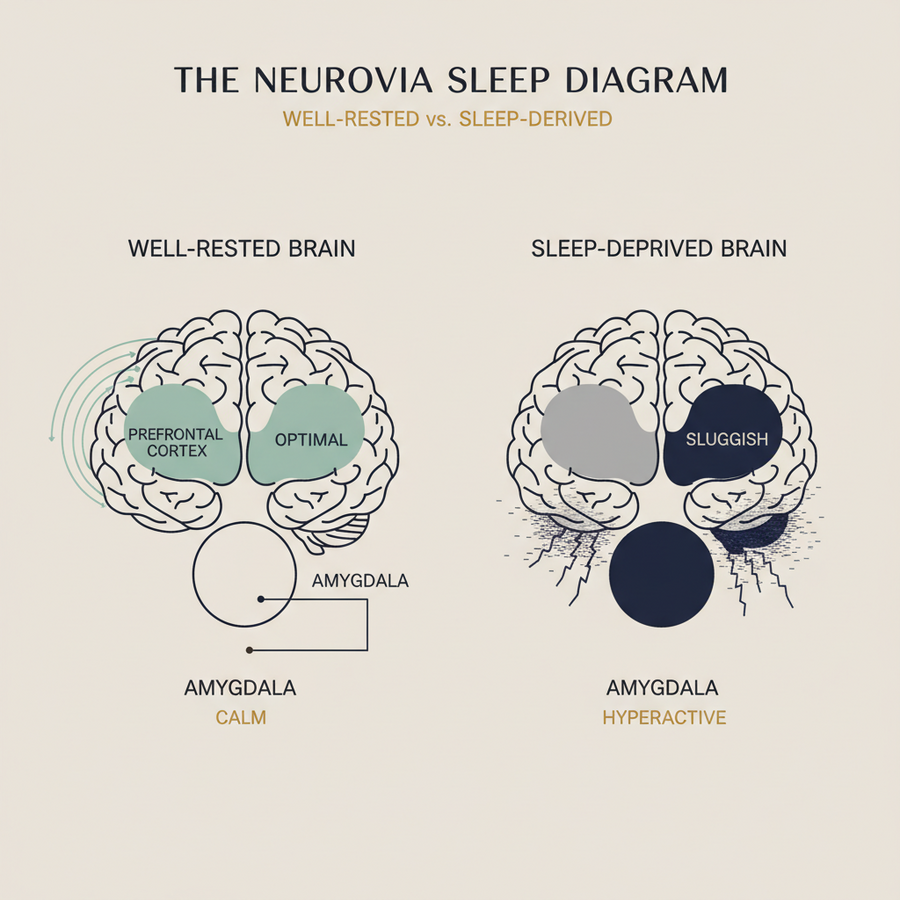
To navigate the day effectively, it helps to understand what’s happening inside your head. Think of your brain as a highly sophisticated command centre. After a poor night’s sleep, certain key areas are operating on a low-power mode. Specifically, the prefrontal cortex—your hub for decision-making, focus, and emotional regulation—becomes sluggish. Simultaneously, the amygdala, your brain’s emotional alarm system, becomes hyperactive. This is the science behind how to function after bad night sleep brain challenges manifest.
This combination makes you more likely to be irritable, less able to concentrate, and more prone to making impulsive choices. You aren’t failing; your brain is simply conserving energy and running on its most basic, primal settings. Recognising this is the first step toward self-compassion, which is essential for getting through the day.
Common Symptoms: What You Might Be Experiencing
The signs of sleep deprivation go beyond simple tiredness. Understanding these how to function after bad night sleep symptoms can help you identify what needs support. You might notice:
- Brain Fog: A feeling of mental cloudiness, making it difficult to think clearly or access memories. Simple tasks might feel unusually complex.
- Heightened Emotional Reactivity: Small frustrations can feel monumental. You might feel more sensitive, anxious, or quick to anger.
- Difficulty Focusing: Your attention span shortens dramatically. The constant ping of notifications on your phone feels overwhelming, and multi-tasking becomes nearly impossible.
- Reduced Problem-Solving Skills: Creative thinking and strategic planning feel out of reach. You’re more likely to stick to familiar, easy paths rather than innovate.
- Cravings for Sugar and Carbohydrates: Your body, desperate for a quick energy source, will send powerful signals for high-calorie, low-nutrient foods.
These are not personal failings but biological responses. The key is to manage them with intention rather than frustration.
A Gentle Framework for Managing How to Function After Bad Night Sleep
Instead of forcing yourself to perform at 100%, aim for a sustainable 70%. This framework is about strategic preservation of your mental and physical energy throughout the day.
The First Hour: Light, Hydration, and Stillness
How you begin your day sets the tone. Before reaching for your phone or a strong coffee, give your brain what it truly needs.
- Seek Light: As soon as you can, expose your eyes to natural daylight. Stand by a window or on your balcony for ten minutes. This light helps to suppress melatonin (the sleep hormone) and reset your body’s internal clock, signalling that the day has begun.
- Hydrate First: You wake up dehydrated, and dehydration magnifies fatigue. Drink a large glass of water, perhaps with a squeeze of lemon, before any caffeine. This replenishes your system and aids cognitive function.
- Postpone Caffeine: Wait at least 90 minutes after waking to have your first coffee. This allows your body’s natural cortisol rhythm to peak and recede, making the caffeine more effective later and preventing an early afternoon crash.
These small acts provide a foundation of calm, helping you start from a place of balance rather than deficit.
Navigating Your Workday: Prioritise and Protect
Your workday will require a strategic approach. Forget your usual to-do list; today is about triage.
- Identify Your “One Big Thing”: What is the single most important task you must accomplish today? Dedicate your most productive energy window (likely mid-morning) to this task. Let everything else be secondary.
- Single-Task, Don’t Multi-Task: Your sleep-deprived brain cannot effectively switch between tasks. Close unnecessary tabs, silence notifications, and focus on one thing at a time. The Pomodoro Technique—25 minutes of focused work followed by a 5-minute break—can be incredibly effective here.
- Be Realistic and Communicate: If possible, reschedule non-essential meetings. Let colleagues know you’re working on focused tasks and might be slower to respond. Setting expectations protects your energy.
Building this kind of cognitive resilience—the ability to focus and self-regulate even under stress—is not something that happens overnight. It’s a skill that can be strengthened over time through consistent practice and targeted support. At NEUROVIA, we use advanced brain-training technologies to help you develop greater control over your attention and emotional state, making days like these more manageable in the long run.
To explore how NEUROVIA can support your mental wellbeing, you can visit our services page.
The Afternoon Slump: Nourish and Move
The afternoon is often the hardest part of the day. Your energy reserves are low, and the temptation to reach for sugary snacks is high. A few simple choices can help you navigate this period.
- Eat a Brain-Friendly Lunch: Avoid heavy carbohydrates and sugary foods, which will lead to a deeper energy crash. Opt for a meal rich in protein, healthy fats, and vegetables—like a grilled chicken salad, salmon with quinoa, or a hearty lentil soup. This provides sustained energy.
- Take a Mindful Break: Instead of scrolling through social media, step away from your desk. A 10-15 minute walk, even just around your office building, can boost circulation and mental clarity. If you can’t go outside, find a quiet space to do some simple stretches.
- Consider a Short Nap: If your schedule allows, a 20-minute “power nap” can be restorative. Set an alarm to ensure you don’t sleep longer, as that can lead to sleep inertia (grogginess).
Winding Down: Preparing for a Better Night
How you end your day is just as important as how you begin it. The goal tonight is not to “force” sleep but to create an environment that invites it. Avoid intensive exercise late in the evening and start dimming the lights in your home an hour or two before bed. This signals to your brain that it’s time to produce melatonin. Create a simple, calming ritual—perhaps reading a book (a physical one, not on a screen), listening to calm music, or taking a warm bath. This helps your nervous system shift from a state of “doing” to a state of “being,” setting the stage for the restorative sleep you need.
Building Long-Term Sleep Resilience with NEUROVIA
While these daily practices are essential for managing the occasional bad night, a pattern of poor sleep can be a sign that your nervous system is dysregulated. Chronic stress, anxiety, and the constant demands of modern life can keep your brain in a state of high alert, making it difficult to switch off and achieve deep, restorative sleep.
At NEUROVIA, our approach is designed to address this at a fundamental level. Through personalised brain-training programs like neurofeedback, we help your brain learn to shift out of stress states and into calmer, more regulated patterns. This isn’t just about managing symptoms; it’s about retraining your brain to be more resilient, focused, and balanced. Over time, this can lead to naturally improved sleep quality, better stress management, and enhanced cognitive performance during the day.
If you feel ready to experience a session and take a proactive step towards better mental wellbeing, you can book an appointment here.
FAQ
Is it better to have a short nap or push through the day?
For most people, a short nap of 20-30 minutes can significantly improve alertness and performance without causing grogginess. If you can’t nap, simply resting with your eyes closed for 10 minutes can still be beneficial. Pushing through without any breaks often leads to diminishing returns and greater fatigue.
Can I “catch up” on sleep over the weekend?
While sleeping in on the weekend can help repay some of your “sleep debt,” it doesn’t fully erase the effects of sleep deprivation during the week. It can also disrupt your circadian rhythm, making it harder to wake up on Monday. Consistency is more important for long-term brain health.
Does what I eat really affect how tired I feel after a bad night’s sleep?
Absolutely. Large, heavy meals, especially those high in sugar and refined carbohydrates, will cause your blood sugar to spike and then crash, exacerbating fatigue. Focus on balanced meals with protein, fibre, and healthy fats for sustained energy.
How can I handle an important meeting or presentation when I’m sleep-deprived?
Prioritise preparation. Have your key points written down clearly. During the meeting, speak slowly and deliberately. Stay hydrated and, if possible, get a few minutes of bright light or fresh air right before you go in. Don’t rely on your memory; rely on your notes.
One bad night of sleep does not define your capability or your worth. By approaching the day with kindness, strategic planning, and an understanding of your brain’s needs, you can navigate the challenges with far more ease. It’s about choosing gentle support over forceful struggle, a philosophy that not only gets you through the day but also builds a more sustainable foundation for long-term mental wellbeing.
Disclaimer: The information in this article is for educational and informational purposes only and is not intended to be a substitute for professional medical advice, diagnosis, or treatment. Always seek the advice of your physician or another qualified health provider with any questions you may have regarding a medical condition.